
The Allure of Uncertainty
The thrill and excitement associated with gambling in casinos stem largely from the allure of uncertainty. Each game presents players with a choice: to engage with chance and potentially reap rewards or abstain and miss opportunities. This intrinsic drive toward risk, rooted in human nature, is influenced by various psychological factors such as the perception of nrl betting odds and the potential for significant wins. The uncertainty of outcomes triggers a rush of adrenaline, which can create an addictive cycle, drawing players back for more. The unpredictability inherent in gambling fuels a sense of adventure that many find irresistible.
Moreover, cognitive biases play a significant role in the decision-making process of gamblers. For instance, players might exhibit an optimism bias, leading them to underestimate the likelihood of losses while overestimating the chances of winning. This skewed perception can encourage continuous play, as the prospect of a big win overshadows the harsh reality of odds and probabilities. This dynamic interplay between risk and reward shapes the gambling experience and enhances the psychological draw of casinos.
Additionally, the environment within casinos is meticulously designed to heighten the sensation of risk-taking. Bright lights, engaging sounds, and the presence of other excited players create an immersive experience. This atmosphere activates the brain’s reward centers, reinforcing the notion that while there is danger in losing, there is also potential for substantial gain. The combination of this sensory stimulation and the excitement of chance makes the act of gambling not just a game but a psychological adventure that captivates individuals.
The Impact of Social Dynamics
The social context of gambling significantly influences individual risk-taking behavior. Casinos often function as vibrant social hubs where friends and strangers gather, heightening the communal experience of risk. This interaction can magnify excitement, as players cheer for each other’s victories and share in the collective hope of winning. The shared environment fosters a sense of belonging and encouragement, which can propel individuals to take larger risks than they might consider when playing alone.
However, social pressure can have a double-edged sword effect. While it can encourage boldness, it can also lead to reckless behavior. Individuals may feel compelled to gamble more or take unwarranted risks to fit in or impress peers, often ignoring their better judgment. This phenomenon can lead to increased losses, as players chase the excitement driven by the social dynamics of the casino floor, neglecting responsible gambling practices and the potential consequences of their actions.
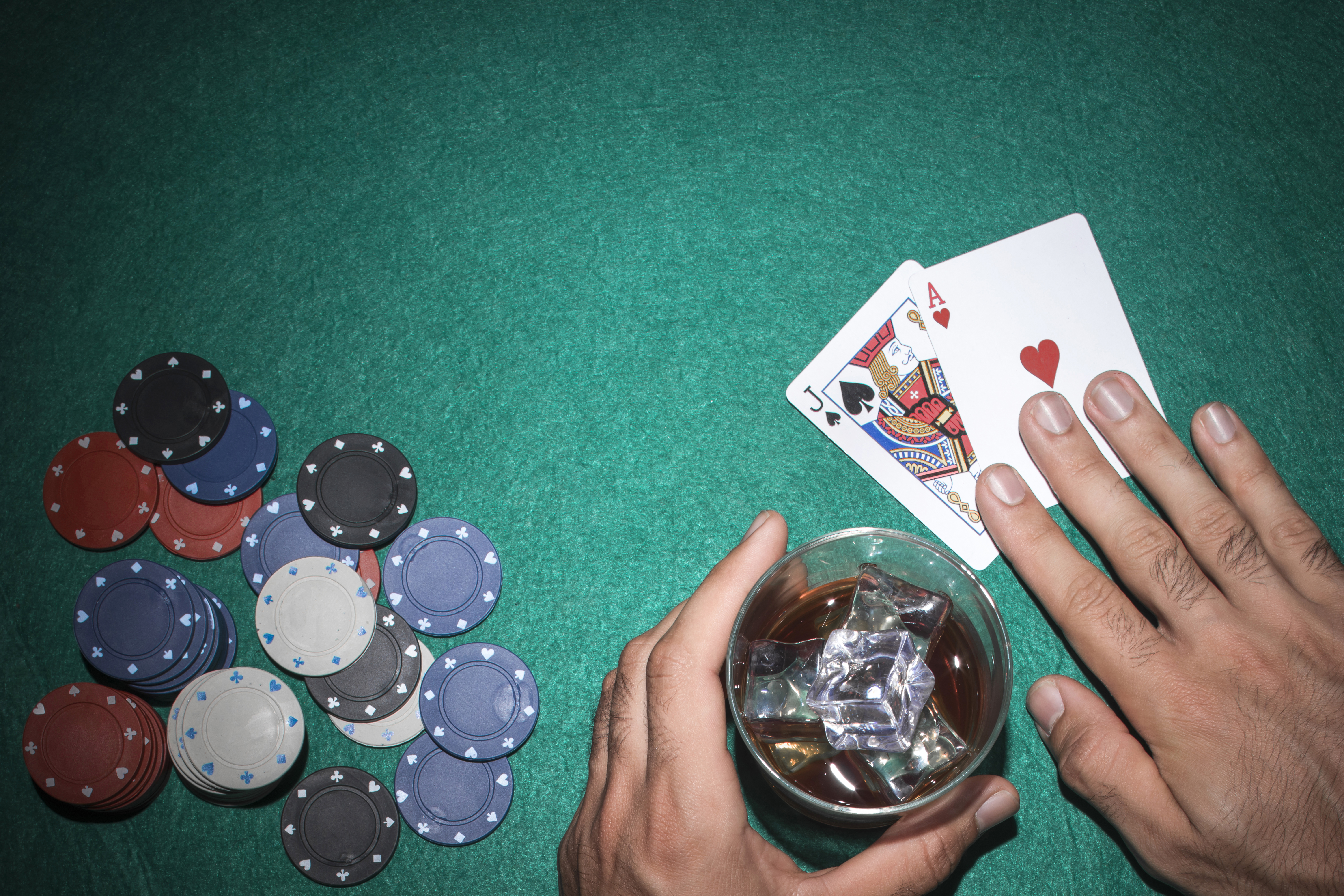
Furthermore, the impact of observing others’ behavior cannot be underestimated. Witnessing a fellow gambler score a big win can ignite a powerful desire to replicate that success. This phenomenon, known as social learning, illustrates how risk-taking can be contagious within a casino environment. Individuals become emboldened by the achievements of those around them, leading to a heightened sense of competition and a drive to take risks that they might otherwise avoid. The interplay of social dynamics fosters an environment ripe for risk-taking, amplifying the thrill of the game through collective participation.
The Role of Emotion and Decision-Making
Emotions play a critical role in the psychology of risk-taking, particularly in high-stakes environments like casinos. The thrill associated with the possibility of winning can trigger positive emotions, prompting players to engage in riskier behaviors. Conversely, negative emotions can also influence decision-making, as individuals may gamble to escape feelings of stress or anxiety. This emotional interplay creates a complex relationship between mood and gambling choices, often leading to impulsive decisions that overshadow rational thinking.
Additionally, the concept of loss aversion is central to understanding why individuals take risks in casinos. Players tend to have a greater emotional reaction to losses than to equivalent wins, which can skew their decision-making processes. In efforts to recover from losses, gamblers might increase their wager sizes or prolong their gaming sessions in hopes of a comeback. This behavior can lead to a cycle of chasing losses, further entrenching individuals in risky gambling patterns that can be challenging to break.
Moreover, recent research indicates that emotional states can significantly affect cognitive functions related to risk assessment. For example, those who are overly excited may overlook essential risk factors, while individuals in a calmer state might approach their gambling sessions with a more analytical mindset. This variable emotional landscape further complicates the psychology of risk-taking, as players navigate their feelings while trying to make sound decisions amidst the chaos of the casino environment.
The Influence of Marketing and Gamification
Marketing strategies employed by casinos are designed to attract risk-takers and enhance the gambling experience through gamification. Promotions, loyalty programs, and immersive gaming options create a sense of ongoing engagement and loyalty, encouraging players to take risks in pursuit of rewards. By framing gambling as an adventure or game, casinos tap into the innate desire for achievement and recognition, drawing players into a cycle of repeated risk-taking that can be both thrilling and dangerous.

This gamified approach to gambling also leverages psychological principles such as variable rewards. By providing unexpected prizes or bonuses, casinos stimulate the brain’s reward system, making players feel rewarded even when they don’t win. This unpredictability keeps players engaged and encourages them to continue taking risks, often with the hope of hitting a significant jackpot. The psychology behind these marketing tactics is deeply intertwined with principles of behaviorism, as players learn to associate the casino environment with potential excitement and rewards that can be immensely alluring.
Additionally, the use of technology in casinos, including online platforms, has transformed the landscape of risk-taking. The convenience and accessibility of online gambling allow players to engage in riskier behavior without the social cues present in physical casinos. This anonymity can lead to riskier bets and longer playing sessions, as the immediate feedback loop of wins and losses becomes even more pronounced. Online casinos capitalize on this behavior by offering enticing promotions and bonuses, further driving the psychology of risk-taking in a digital space that can be both exhilarating and perilous.
Understanding Responsible Gambling
Understanding the psychology of risk-taking is crucial for promoting responsible gambling practices. Awareness of the emotional and cognitive biases that affect decision-making can empower players to make more informed choices. Educational programs focusing on risk awareness and responsible gambling strategies can help mitigate the adverse effects of excessive gambling. By understanding their motivations and the psychological factors at play, individuals can better navigate their gambling experiences and set boundaries that protect their well-being.
Furthermore, casinos and gambling establishments are increasingly recognizing their responsibility to promote safe gambling environments. Implementing measures such as self-exclusion programs, responsible gaming messaging, and access to support resources can provide players with the tools they need to gamble responsibly. These initiatives encourage players to remain aware of their limits and foster a healthier relationship with gambling activities, ultimately aiming to balance the excitement of risk-taking with the importance of mindful engagement.
Ultimately, the aim is to balance the thrill of risk-taking with the importance of mindful engagement in gambling. By encouraging a culture of responsible gambling, both players and casinos can work together to ensure that the excitement of gaming does not overshadow the potential risks involved. Understanding the psychological underpinnings of risk-taking can lead to safer gaming experiences and contribute to healthier gambling habits that benefit individuals and communities alike.