
The Allure of Risk: Understanding Player Motivation
The psychology behind why individuals are drawn to casino environments often revolves around the allure of risk. Many players are naturally attracted to uncertainty, where the potential for reward can outweigh the fear of loss. The thrill of gambling comes from the possibility of success, which triggers the brain’s reward system, much like other addictive behaviors. As players explore options like crypto casino instant withdrawal , this push and pull between risk and reward can create a compelling experience that keeps players returning to the gaming floor.
Moreover, the environment in which gambling occurs further intensifies the attraction. Casinos are meticulously designed to heighten excitement and encourage risk-taking. Elements such as flashing lights, vibrant colors, and strategic sounds create a sensory overload that enhances the overall experience. In this context, players are often more willing to take risks, as their senses are bombarded with stimuli that suggest winning is within reach, despite the inherent losses that accompany such activities.
Additionally, social dynamics can play a significant role in risk-taking behavior in casinos. Gamblers often engage in conversations and observe peers, which can influence their decisions. The social aspects of gambling, reinforced by group dynamics and collective emotions, can diminish the perception of risk and amplify the desire for thrill. This psychological interplay not only facilitates a deeper connection to the activity but also normalizes high-stakes behavior among peers.
The Role of Cognitive Biases in Risk Perception
Cognitive biases are significant in understanding how individuals perceive risk in casinos. Players often overestimate their chances of winning due to the illusion of control, where they believe that their actions or strategies can influence outcomes in games of chance. For instance, a player may feel that their betting strategy gives them an edge, despite the statistical reality that many casino games are fundamentally random. This cognitive distortion can lead to higher stakes and increased gambling activities, often resulting in substantial losses.
The gambler’s fallacy is another common cognitive bias impacting risk perception. This phenomenon occurs when individuals erroneously believe that past events influence future probabilities in independent situations, such as a string of losses making a win more likely. This misconception can compel players to bet more, convinced that they are ‘due’ for a win. Such thought processes underscore the complex relationship between cognitive biases and decision-making in casino environments.
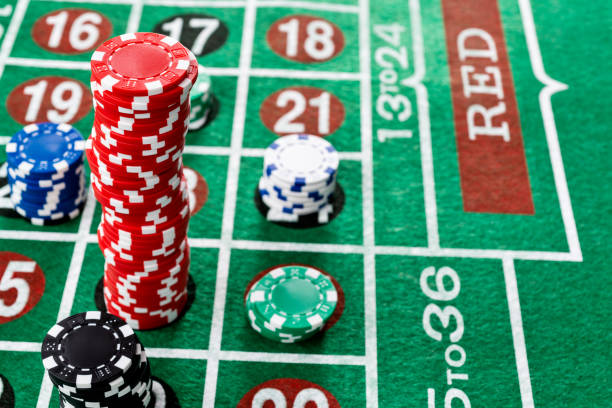
Furthermore, the concept of near misses plays a critical role in shaping a player’s willingness to take risks. When players lose by a small margin, they often perceive it as a sign that they were close to winning, fueling their desire to continue gambling. This psychological effect can mitigate the negative feelings associated with losses and encourage additional risk-taking. The brain’s response to near misses can reinforce behaviors that lead to further engagement with the gambling process, often ignoring the underlying statistical likelihood of losses.
The Impact of Emotion on Risk-Taking Behavior
Emotion plays a pivotal role in the psychology of risk within casino settings. High-stakes environments can incite a range of emotions, from excitement and euphoria to anxiety and despair. These emotional states significantly influence decision-making, often leading to impulsive behavior. For instance, when a player is on a winning streak, they may feel invincible and take greater risks, believing that their luck will continue. Conversely, losses can lead to emotional distress, prompting some players to chase their losses, further exacerbating their situation.
Moreover, the thrill of gambling is often linked to the activation of the brain’s reward pathways, which causes the release of neurotransmitters such as dopamine. This biochemical response can create a euphoric state that reinforces risk-taking behavior. When players win, the brain rewards them with pleasure, while losses can trigger frustration and sadness. Understanding this cycle of emotion and reward helps clarify why players frequently engage in risky behaviors despite potential adverse outcomes.
The social environment within a casino also amplifies emotional responses. As players interact with others, their emotional states can become contagious, affecting decision-making in group settings. For instance, witnessing a fellow gambler win can inspire feelings of hope and optimism, leading to higher bets and reckless decisions. Conversely, a more somber atmosphere can induce caution and risk aversion. Recognizing the interplay of individual and group emotions is crucial in understanding gambling behavior in these dynamic environments.
The Influence of Marketing and Environment on Risk Behavior
Marketing strategies employed by casinos significantly influence how individuals perceive risk. Advertisements often emphasize big wins and success stories, portraying gambling as a glamorous and rewarding activity. This portrayal can skew public perception, leading potential gamblers to underestimate the risks involved. As a result, individuals may enter a casino environment with an inflated sense of confidence in their chances of winning, setting the stage for riskier behaviors.
Additionally, the physical layout and design of casinos are intentionally crafted to foster risk-taking behaviors. From the placement of high-stakes tables in prominent areas to the arrangement of slot machines that invite continuous play, the environment is designed to keep players engaged and spending money. Elements such as free drinks and lavish decor further enhance the sense of indulgence, making it easier for individuals to justify their gambling actions, even when the risks are apparent.
Furthermore, casinos often employ a strategy of reward mechanisms that can further entrench risk-seeking behavior. Player loyalty programs, promotional events, and bonuses create a sense of urgency to engage in gambling activities. By offering tangible incentives, casinos effectively cultivate an environment where the attraction of risk is amplified. This approach ensures that players feel rewarded for their participation, even in the face of potential losses, perpetuating the cycle of risk-taking.
Understanding Responsible Gambling and the Role of Resources
As the allure of risk continues to draw players into casino environments, understanding responsible gambling practices becomes increasingly important. Awareness of one’s limits and a commitment to self-regulation can aid individuals in navigating the complexities of risk associated with gambling. Responsible gambling initiatives aim to educate players about the risks involved and provide resources to help them make informed decisions, ultimately promoting a healthier approach to gambling.
Online platforms and physical locations often feature resources that encourage responsible gambling behaviors. Helplines, counseling services, and self-exclusion programs are vital components in supporting individuals who may struggle with their gambling habits. By providing easy access to assistance, casinos can empower players to take control of their gambling experiences, ensuring that enjoyment does not turn into destructive behavior.
Educational campaigns focusing on the psychology of risk can also play a critical role in helping players understand their behaviors better. By fostering an understanding of cognitive biases and emotional influences, individuals can cultivate a more balanced perspective towards gambling. Addressing the psychological factors that contribute to risk-taking allows for a more informed approach to gaming, ultimately reducing the potential for negative outcomes.